

How to Successfully Integrate Modern AV Solutions in Australian Venues
Planning Your AV Integration
When considering an AV integration project, it's crucial to craft a plan that aligns the unique needs of the venue with cutting-edge technology. This planning phase can be complex but rewarding, especially when drawing from examples of installations at venues like the Sydney Opera House. There, the seamless integration of paging systems and other AV components creates experiences that attendees won't forget.
Assessing Venue Requirements
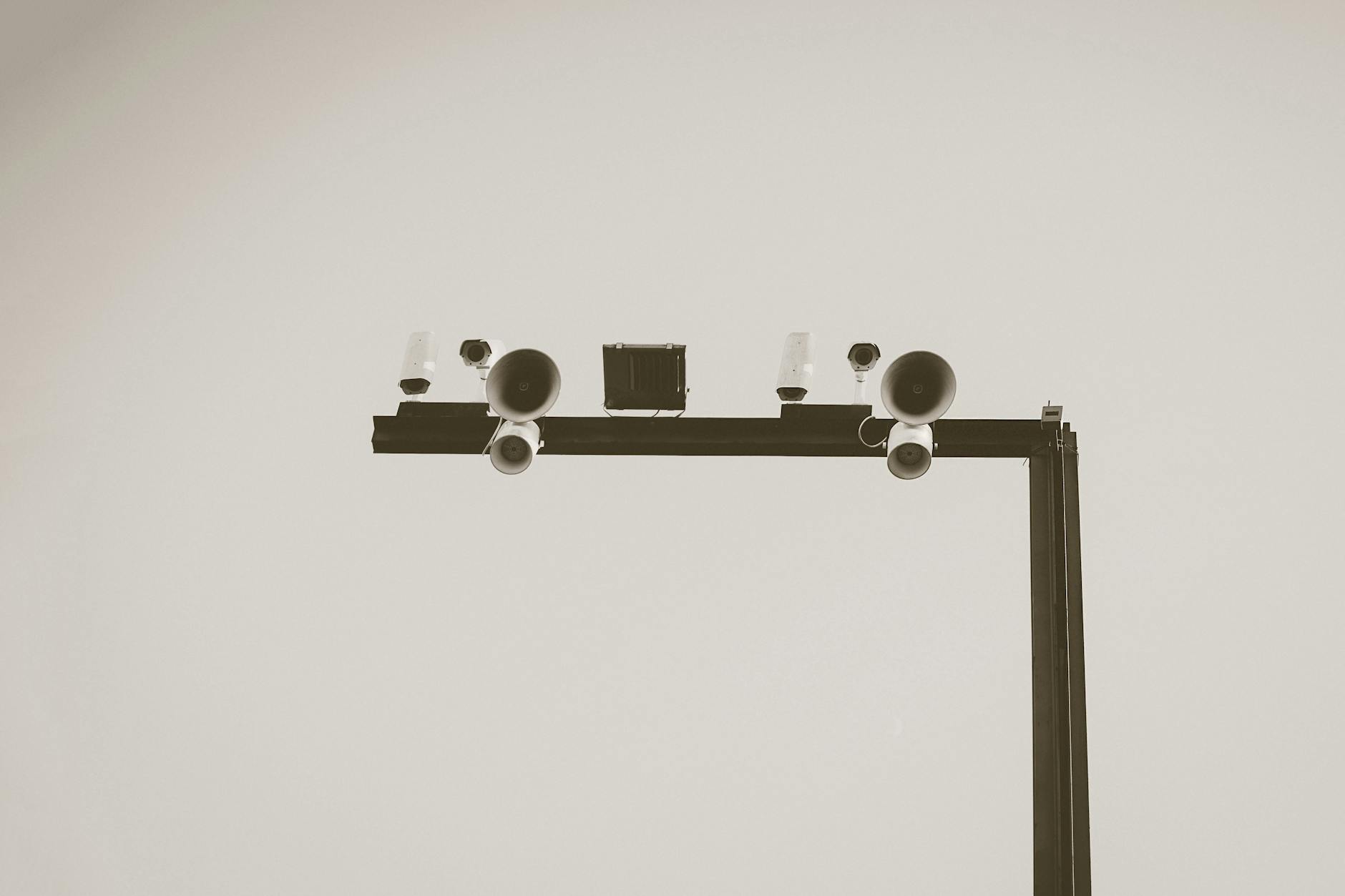
First, understanding the specific requirements of a venue is fundamental. The acoustical properties, size, and intended use all play a significant role. In theatres or large auditoriums, prioritising clear and reliable communication through a comprehensive audio setup is essential. Evaluate whether the space might benefit from broadcast solutions that allow for broader communication capabilities, ensuring that even distant areas are well-covered.
Mapping System Layout
Next, take time to map out the system layout meticulously. Consider where speakers, screens, and control panels are best positioned for optimal functionality and user convenience. An efficient layout can significantly enhance sound and visual quality, as seen with AV installations at Carriageworks, where meticulous planning assures superior performance.
Setting Project Timelines
Finally, develop realistic timelines to guide the project from start to finish. Factor in each stage of installation, allowing adequate time for potential adjustments, without pushing beyond the limits of a client's budget. Having a structured timeline reduces stress and ensures that deadlines are met, reflecting the reliable performance values held dear by professionals like James Watkins.
Selecting Modern AV Technologies
When it comes to selecting modern AV technologies, finding the right auditory equipment is crucial for any venue setup. The experience at Carriageworks, renowned for its sound engineering workshops, highlights the importance of quality audio components. A professional microphone can greatly enhance sound clarity, capturing nuanced audio even in complex acoustical environments. For optimal audio results, the right microphone should coexist with acoustic panels that manage sound reflections and resonance effectively.
Visual displays are equally important, providing clarity and engagement for audiences. Look for modern displays that offer high resolution and are versatile enough for various settings, from conference halls to theaters. Consider displays with integrated calibration tools to guarantee sharp visuals consistently.
Evaluating control solutions involves choosing systems that offer seamless integration with audio and visual components. Smart control interfaces allow for easy management of multi-technology setups, ensuring users can operate the system efficiently and with minimal technical challenges. A well-implemented control solution is key in maintaining the balance between audio and visual outputs, creating an immersive experience for end-users.
For those in Sydney, like James, choosing the right equipment from respected suppliers at the Australian Technology Park can offer peace of mind with reliable AV solutions. These choices empower AV professionals to deliver comprehensive and well-integrated sound and visual systems, meeting the high expectations of their clients.
Installation and Configuration
Setting Up Audio Equipment
In my experience, setting up audio equipment begins with understanding the unique acoustic properties of a venue. Whether at a bustling location like Carriageworks or a more intimate setting, the aim is to achieve seamless sound coverage. Selecting the right microphones, speakers, and acoustic panels is crucial. My approach usually involves a careful assessment of the venue size and shape to determine speaker placement and avoid dead spots. Keeping Sydney's diverse venues in mind, I ensure that each piece of equipment is strategically positioned for optimal sound dispersion.
Installing Visual Systems
The visual component of an AV setup is as vital as the audio. Installing screens and projectors requires precise alignment and calibration to avoid issues like image distortion or keystone effects. I prioritise selecting the right type of visual display based on venue requirements—be it LED panels for vibrant displays or projectors for flexibility. For instance, in larger venues, safeguarding image quality from various seating positions ensures every audience member enjoys a clear view.
Integrating Control Interfaces
Incorporating control interfaces is the final step in bringing an AV system to life. For a reliable operation, it's vital to seamlessly integrate these interfaces with the existing systems. Technologies such as mesh radios play a significant role in ensuring robust wireless communication across devices. My strategy includes configuring universal controllers that simplify management tasks, allowing effortless transitions between different audio and visual settings without compromising performance.
Testing and Optimization
Conducting Sound Checks
When I conduct sound checks, especially in high-stakes venues, I always ensure that each element aligns perfectly with the acoustics of the space. A critical component I often integrate is the universal remote, which provides seamless interaction between the paging system and mesh radios. This integration allows for better management of complex sound scenarios, enabling precise adjustments with minimal disruption. During sound checks, I carefully evaluate speech clarity and tonal balance, exploiting powerful tools like spectrum analyzers to identify and rectify frequency imbalances.
Calibrating Visual Displays
Ensuring optimal visual performance in venues with varying lighting conditions is a challenging task that requires meticulous calibration. I make it a point to assess factors like ambient light and viewing angles, adjusting the settings of projectors or LED panels accordingly. Calibration involves tweaking brightness, contrast, and color settings to guarantee vibrant and accurate displays, enhancing both the visual experience and the overall room dynamics. Precision is key, as even slight deviations can significantly impact the audience's perspective.
Fine-Tuning Control Systems
In the final phase of testing and optimization, I focus on fine-tuning control systems to ensure they deliver a seamless user experience. I scrutinize each interface, confirming that every function from basic operations to advanced controls is accessible and intuitive. This often involves custom-configuring interfaces based on client preferences and verifying that all systems communicate correctly. By using control systems effectively, I aim to provide reliable and user-friendly solutions that perform flawlessly, meeting client expectations and enhancing the operational efficiency of the AV setup.
Addressing AV Challenges
Resolving Connectivity Glitches
When grappling with connectivity issues, think back to discussions at Carriageworks workshops, where sound engineers and AV specialists share insights on overcoming these obstacles. One treatment to consider is the deployment of mesh radios. This technology strengthens network reliability by allowing multiple pathways for signals, akin to how the Sydney Opera House AV setup manages complex performances. Also, it might be valuable to audit each equipment piece purchased from Australian Technology Park suppliers to ensure compatibility and avoid potential hiccups.
Aligning Client Expectations
Effective communication with clients mimics the precision and planning required in an Opera House production. It's crucial to establish clear objectives and functional requirements from the outset. Drawing a parallel, just as professional broadcast environments demand comprehensive setups, so too should your AV project focus on detailed, client-specific solutions. Maintaining transparency about potential technical limitations or challenges will foster trust and lead to improved satisfaction.
Upholding System Reliability
System reliability can be likened to the seamless coordination found behind the curtains at the Sydney Opera House. Regular maintenance checks and software updates, similar to those conducted by broadcast experts in advanced studios, are paramount. Adopting strategies such as redundancy in critical components, akin to backup systems used in significant installations, will fortify your setup. A well-integrated control solution, like those spearheaded by Australia's Technology Park innovators, ensures uninterrupted performance, ultimately enhancing system reliability.